














Beyond the Dove: Unique Peace Symbols from Around the World
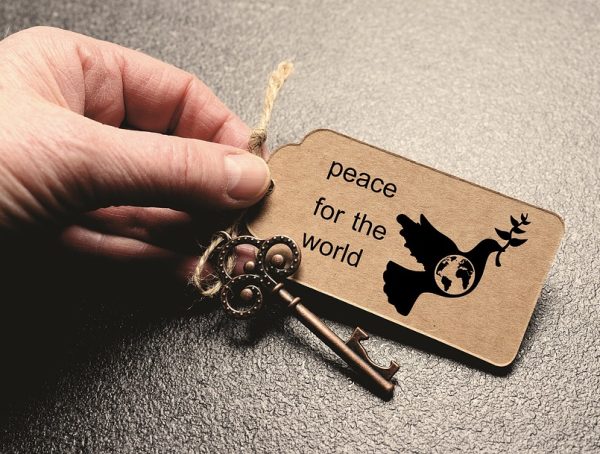
The dove, often depicted with an olive branch in its beak, has long been recognized as a universal symbol of peace. But peace transcends this simple image, manifesting in countless forms across cultures and ages. From intricate designs to profound gestures, symbols of peace have emerged from the rich tapestry of human experience and expression. This article explores some of the most unique peace symbols from around the world and offers actionable steps for readers to incorporate the spirit of peace into their daily lives.
1. The Ankh (Egypt)
The ankh, an ancient Egyptian hieroglyph resembling a cross with a loop at the top, represents eternal life and is often associated with the concept of peace. In Egyptian mythology, it is not only a symbol of life and fertility but also signifies unity and balance. To embrace the spirit of the ankh, consider embracing practices that promote harmony and longevity—be it through mindfulness, exercise, or fostering relationships built on respect and understanding.
Action Step:
- Meditate on Balance: Dedicate 10-15 minutes daily to meditate on balance in your life. Visualize how peace can harmonize your relationships, work, and personal growth.
2. The Olive Branch (Various Origins)
While commonly associated with the dove, the olive branch itself has historical significance across cultures. The symbol dates back to ancient Greece, where it was a gift to victors of the Olympic Games. It signifies triumph and the spirit of reconciliation, urging individuals to seek understanding, forgiveness, and a commitment to peacemaking in their lives.
Action Step:
- Practice Reconciliation: Reflect on a relationship in your life that could benefit from reconciliation. Reach out to that person with kindness and humility, seeking to mend and overcome past grievances.
3. The Yin Yang (China)
A symbol from Chinese philosophy, the yin yang represents the duality and interconnectedness of opposites. It emphasizes that peace cannot exist without conflict and that harmony stems from accepting and balancing both sides. This symbolic notion urges us to see the world wholistically and understand that peace is a continuous practice rather than a destination.
Action Step:
- Embrace Duality: Identify areas in your life where you experience conflict. Consider writing down the positives and negatives of these situations to gain a balanced perspective. Use this understanding to approach challenges with peace and acceptance.
4. The Peace Sign (Western Cultures)
Designed in 1958 for the British nuclear disarmament movement, the peace sign has become synonymous with the anti-war sentiment. Incorporating the semaphore signals for the letters "N" and "D" (for nuclear disarmament), it symbolizes the collective yearning for peace amidst societal strife and unrest. This modern symbol has galvanized millions to stand against violence and advocate for nonviolent solutions.
Action Step:
- Advocate for Nonviolence: Attend a local peace rally or participate in an online campaign promoting nonviolence. Your involvement not only raises awareness but also fosters community connections that can amplify your voice for peace.
5. The Lotus Flower (India and Eastern Cultures)
The lotus flower holds great significance in various cultures, particularly in Buddhism and Hinduism, where it symbolizes purity, enlightenment, and rebirth. Emerging resiliently from muddy waters to bloom, the lotus teaches that beauty and peace can prevail even in the harshest circumstances. Cultivating a mindset similar to that of the lotus encourages personal growth and striving for peace amid challenges.
Action Step:
- Cultivate Growth: Create a journaling habit where you document your personal growth experiences. Write about how you navigated difficult situations, what you learned, and how these lessons can lead to peace in your life.
6. The Rainbow Flag (LGBTQ+ Community)
The rainbow flag, symbolizing diversity and acceptance, emerged from the LGBTQ+ pride movement and represents peace through inclusivity. It serves as a reminder that embracing diversity fosters a more peaceful and harmonious society. Promoting LGBTQ+ rights reflects support for fundamental human rights, urging all individuals to live authentically and peacefully.
Action Step:
- Support Diversity: Participate in or donate to organizations that support LGBTQ+ rights and equality. Use your platform—be it social media or community engagement—to advocate for acceptance and understanding.
Conclusion: Embracing Peace in Everyday Life
Symbols of peace inspire us to incorporate their lessons into our daily lives. They remind us that peace is not merely an ideal to aspire to but an ongoing journey enriched by understanding, respect, and compassion. By embracing these diverse symbols and actively pursuing the principles they represent, we can cultivate a culture of peace within ourselves and our communities.
As you consider how to implement these action steps in your life, remember this uplifting quote:
"Peace comes from within. Do not seek it without." – Buddha
If you enjoyed this exploration of peace symbols and the actions you can take towards fostering peace, follow Kevin Steineman on Instagram at @KSteineman for more inspiring content and ideas. Together, we can build a more peaceful and inclusive world, one small action at a time.
You might also like

More from Mindfulness
Where Peace Resides: Nature Quotes for Stillness
Where Peace Resides: Nature Quotes for Stillness In a world of incessant noise and relentless activity, finding moments of tranquility can …

A Collection of 35 Short Peace Quotes for Everyday Life
A Collection of 35 Short Peace Quotes for Everyday Life In the hustle and bustle of modern life, it’s easy to …
30 Short Quotes That Will Bring You Inner Peace
30 Short Quotes That Will Bring You Inner Peace In the hustle and bustle of everyday life, finding inner peace can …