




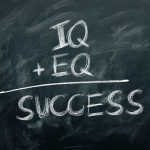










Emotional Intelligence vs. IQ: Why EQ Matters More
In today’s fast-paced and interconnected world, the debate over the importance of Emotional Intelligence (EQ) versus Intelligence Quotient (IQ) has taken center stage. Traditionally, IQ has been the benchmark for academic and professional success, focused largely on cognitive capabilities such as math, logic, and language skills. However, as workplaces evolve, the ability to manage emotions—both one’s own and those of others—has become increasingly crucial. Recent research suggests that emotional intelligence may be a more significant predictor of success in life than IQ. This article will explore the reasons why EQ matters more and provide actionable steps to enhance your emotional intelligence.
Understanding Emotional Intelligence and IQ
Emotional Intelligence typically encompasses four key components: self-awareness, self-regulation, social awareness, and relationship management. Individuals high in EQ can recognize their feelings, control their emotions, empathize with others, and build strong interpersonal relationships.
On the other hand, IQ is a standard measurement of cognitive ability. It assesses a person’s reasoning, problem-solving, and comprehension skills. While a high IQ can indicate strong cognitive skills, it doesn’t account for emotional behaviors or interpersonal skills, which are essential for navigating life and building effective teams.
Why Does EQ Matter More?
-
Workplace Performance:
Studies indicate that emotional intelligence is a significant predictor of job performance. Individuals with high EQ tend to excel in leadership roles, collaboration, and conflict resolution. Employers are increasingly valuing soft skills, as they foster a positive work environment and can enhance team productivity. -
Mental Health:
Managing emotions effectively plays a crucial role in mental health. Highly emotionally intelligent individuals can cope with stress and anxiety better than those with higher IQs who lack EQ. By understanding and expressing emotions, individuals can contribute to their overall well-being and happiness. -
Strong Relationships:
Emotional intelligence is vital in building healthy relationships. It allows people to connect with others on a deeper level, fostering empathy, compassion, and understanding. These skills automatically enhance personal relationships, friendships, and family dynamics, leading to a supportive social network. -
Adaptability:
High emotional intelligence equips people with the tools to adapt to change and navigate uncertainties. Those skilled in self-regulation can remain calm in the face of adversity and influence those around them positively, fostering resilience in themselves and others. - Leadership Qualities:
Effective leaders often possess high emotional intelligence. They understand their team members’ emotional needs and are adept at creating environments where people feel valued and understood. This, in turn, inspires loyalty and motivates individuals to achieve not just personal goals but organizational objectives.
Action Steps to Improve Your Emotional Intelligence
Improving emotional intelligence is a lifelong journey, but the following steps can help kickstart your development:
-
Self-Reflection:
Dedicate time each day to reflect on your emotions and behaviors. Journaling can be an effective method. Ask yourself questions like: How did I feel today? What triggered those emotions? How did I respond? This exercise helps increase self-awareness and identifies areas for growth. -
Practice Active Listening:
When having conversations, focus on truly listening rather than formulating your next response. Give the speaker your full attention, make eye contact, and avoid interrupting. Reflect on what they say before responding. This practice promotes empathy and helps build stronger connections. -
Develop Empathy:
Put yourself in others’ shoes. Try to understand their perspectives, even if they differ from your own. Engage in conversations with people from varied backgrounds to expand your understanding of others’ emotions and experiences. -
Manage Stress:
Incorporate stress-management techniques into your routine. Regular exercise, meditation, and mindfulness practices can help you maintain emotional balance. A calm mind can respond better to emotional triggers and manage them effectively. -
Ask for Feedback:
Seek constructive criticism from trusted friends, family, or colleagues regarding your emotional responses and interactions with others. Use their feedback as a basis for improving your emotional capabilities. -
Cultivate Relationship Management Skills:
Work on your conflict resolution skills. Practice addressing conflicts head-on with honesty and respect. Strive to understand the other person’s viewpoint and work toward a solution that satisfies all parties involved. - Embrace Lifelong Learning:
Educate yourself about emotional intelligence through books, workshops, or online courses. Reading literature on psychology, emotional dynamics, and interpersonal communication can provide valuable insights.
Conclusion
Investing in emotional intelligence can lead to increased success in personal and professional lives, fostering overall happiness and fulfillment. While IQ is undoubtedly important, the ability to navigate the emotional landscape is what truly drives connectivity, leadership, and resilience.
As you take steps to enhance your emotional intelligence, remember that it’s not just about understanding others; it’s ultimately about understanding yourself. By committing to continuous self-improvement, you can harness the power of emotional intelligence and transform your life.
Final Thought: "Emotional intelligence is not the end of intelligence; it is the bridge that leads us to the fulfillment of our greatest potential."
For more inspiring content, don’t forget to follow Kevin on Instagram (@KSteineman) and join a community dedicated to growth and emotional wellness!
You might also like


More from Emotional Intelligence

Using Emotional Intelligence to Navigate Relationships: 10 Key Examples
Using Emotional Intelligence to Navigate Relationships: 10 Key Examples In a world increasingly defined by digital interactions, emotional intelligence (EI) has …

Top 5 Emotional Intelligence Exercises to Enhance Your Skills
Top 5 Emotional Intelligence Exercises to Enhance Your Skills Emotional intelligence (EI) is the ability to perceive, control, and evaluate emotions—not …

Emotional Intelligence: A Definition That Empowers Your Relationships
Emotional Intelligence: A Definition That Empowers Your Relationships In our fast-paced, digitally-driven world, the importance of emotional intelligence (EI) has grown …