




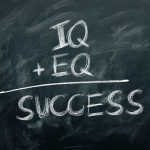










Emotional Intelligence in Education: 5 Examples That Make a Difference
In an increasingly interconnected world, emotional intelligence (EI) has emerged as a critical component of success in both personal and professional realms. While the concept often conjures up images of interpersonal relationships, its most powerful application may reside in education. EI can greatly influence the learning environment, student outcomes, and overall well-being. This article explores five poignant examples of emotional intelligence in educational settings and provides actionable steps for educators and parents alike to cultivate these skills.
1. Fostering a Safe Emotional Environment
One of the most fundamental elements of emotional intelligence is the ability to cultivate a safe emotional environment where students feel comfortable expressing their thoughts and feelings. Teachers who practice empathy and active listening create classrooms where students know their voices are valued.
Action Steps:
- Create Open Communication: Establish regular check-ins where students can share their feelings and concerns, allowing them to feel heard.
- Implement a ‘Feelings Wheel’: Use tools like a feelings wheel to help students articulate their emotions, which can be particularly effective for younger students.
- Encourage Peer Support: Facilitate programs like buddy systems that allow students to support one another emotionally.
2. Empathy-Driven Lesson Plans
Lessons on empathy teach students to understand and appreciate diverse perspectives. Incorporating literature or activities that require role-playing can enhance students’ ability to empathize with others. When students learn to put themselves in someone else’s shoes, they develop deeper connections with their peers and a stronger sense of community.
Action Steps:
- Integrate Literature: Choose books and stories that showcase a variety of cultural perspectives, allowing students to explore different worldviews.
- Role-Playing Activities: Design role-playing scenarios where students must navigate social challenges, encouraging them to think critically about others’ feelings and motives.
- Reflection Journals: Encourage students to write about how they would feel in different scenarios and why, fostering self-awareness and empathy.
3. Teach Conflict Resolution Skills
Conflict is a natural part of human interaction, especially in educational settings. Teaching students emotional intelligence can help them navigate conflicts constructively rather than destructively. Being able to manage their emotions, understand others’ perspectives, and negotiate effectively equips students with essential life skills.
Action Steps:
- Conflict Resolution Workshops: Organize workshops that focus on identifying emotions during a conflict, discussing feelings, and brainstorming solutions collaboratively.
- Peer Mediation Programs: Encourage older students to become peer mediators, helping to resolve conflicts among younger students.
- Model Calm Responses: Demonstrate how to stay calm during conflicts; share stories of your own experiences and resolutions.
4. Incorporating Mindfulness Practices
Teaching emotional intelligence wouldn’t be complete without mindfulness. Mindfulness practices can help students manage their emotions, reduce stress, and enhance concentration. Grounding techniques such as deep breathing or short meditation sessions can foster a better learning environment.
Action Steps:
- Daily Mindfulness Exercises: Start each day with a brief mindfulness exercise, such as deep breathing or guided visualization.
- Mindfulness Rooms: Create designated spaces where students can go for a moment of quiet reflection or relaxation during the day.
- Teach Mindfulness Techniques: Offer workshops for teachers and students on various mindfulness techniques, allowing them to find what resonates with them personally.
5. Encouraging Self-Reflection
Self-reflection is a central pillar of emotional intelligence. When students regularly reflect on their emotional responses, they develop greater self-awareness. This awareness allows them to recognize their strengths and areas for growth and fosters a growth mindset crucial in the journey of learning.
Action Steps:
- Weekly Reflection Journals: Encourage students to maintain a journal where they can reflect on their week, focusing on their emotional experiences.
- Group Discussions: Facilitate group discussions allowing students to share their reflections and learn from each other’s experiences.
- Set Personal Goals: Guide students in setting personal emotional intelligence goals, such as improving empathy or managing frustration.
Conclusion
Emotional intelligence in education is not just an ancillary aspect of teaching; it is a cornerstone for creating an environment where students thrive academically and emotionally. By incorporating these practices into classrooms and homes, educators and parents can equip young people with enduring life skills that impact their relationships, careers, and overall quality of life.
Just as learning academic subjects is vital for student development, teaching emotional intelligence enhances interpersonal skills, resilience, and well-being. As we empower the next generation to connect with their emotions and understand those of others, we cultivate a world where empathy and compassion walk hand in hand with knowledge.
"Emotional intelligence is more than just understanding your emotions; it’s the ability to connect, empathize, and inspire."
For more insights on emotional intelligence and personal growth, be sure to follow Kevin on Instagram at @KSteineman. Your journey to greater emotional insight begins today!
You might also like


More from Emotional Intelligence

Using Emotional Intelligence to Navigate Relationships: 10 Key Examples
Using Emotional Intelligence to Navigate Relationships: 10 Key Examples In a world increasingly defined by digital interactions, emotional intelligence (EI) has …

Top 5 Emotional Intelligence Exercises to Enhance Your Skills
Top 5 Emotional Intelligence Exercises to Enhance Your Skills Emotional intelligence (EI) is the ability to perceive, control, and evaluate emotions—not …
Emotional Intelligence: A Definition That Empowers Your Relationships
Emotional Intelligence: A Definition That Empowers Your Relationships In our fast-paced, digitally-driven world, the importance of emotional intelligence (EI) has grown …