














Emotional Intelligence in Education: Enhancing Learning and Growth
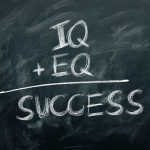
In an increasingly complex world, the ability to understand, manage, and harness emotions is paramount—not just in the workplace but particularly in education. Emotional Intelligence (EI or EQ) has embarked on a revolutionary journey, significantly impacting the way educators teach and students learn. This article delves into the critical role of emotional intelligence in educational settings, offers actionable steps for educators and students alike, and emphasizes the long-term benefits of fostering an emotionally intelligent culture within schools.
Understanding Emotional Intelligence
Emotional intelligence signifies a set of skills that involve recognizing, assessing, and managing one’s emotions as well as the emotions of others. It consists of five key components:
-
Self-Awareness: The ability to recognize your own emotions and how they impact your thoughts and behavior.
-
Self-Regulation: The skill to manage one’s emotions in healthy ways, such as controlling impulses and adapting to change.
-
Motivation: The drive to improve and achieve goals for personal reasons rather than external rewards.
-
Empathy: The capacity to understand and share the feelings of others, fostering genuine connections.
- Social Skills: Proficiencies needed to manage relationships and navigate social complexities effectively.
The Role of Emotional Intelligence in Education
Creating a Supportive Learning Environment
An emotionally intelligent classroom is one where teachers establish an environment that promotes safety, trust, and support. When students feel that their emotional needs are met, they are more likely to engage actively in the learning process. Fostering emotional intelligence lays the groundwork for a positive learning environment, which in turn can enhance academic performance.
Enhancing Student Engagement
Students who have a higher level of emotional intelligence tend to display greater engagement in their studies. They can better manage anxiety or stress related to academic pressures, which allows them to be present and focused in class.
Building Resilience
Emotional intelligence equips students with resilience skills, enabling them to cope with setbacks. By fostering empathy, self-regulation, and self-awareness, students become more adept at facing challenges, leading to improved perseverance and determination.
Encouraging Collaboration
In group work and collaborative projects, emotional intelligence fosters effective communication and teamwork. When students can understand and react to the emotions of their peers, they are more likely to work cohesively and help one another succeed. This team-building mindset can extend beyond the classroom to future professional environments.
Action Steps to Enhance Emotional Intelligence in Education
To harness the power of emotional intelligence, educators and students can take specific, actionable steps:
1. Incorporate EI in the Curriculum
Educators:
-
Develop lessons that focus not only on academic content but also on emotional skills. Activities like role-playing can help students practice empathy and social interaction.
- Utilize literature and storytelling to discuss emotional experiences and ethical dilemmas, encouraging self-reflection.
Students:
- Join or create a club focused on emotional well-being and mindfulness practices. Engage in activities that foster group discussions about feelings and social scenarios.
2. Foster a Safe Classroom Environment
Educators:
-
Practice inclusivity and celebrate diversity, fostering a sense of belonging where every student feels valued and understood.
- Set clear expectations and guidelines for respectful communication and conflict resolution.
Students:
- Encourage open dialogue and partnerships with peers. Share your feelings or concerns with classmates and create a supportive network.
3. Teach and Practice Self-Regulation Techniques
Educators:
-
Integrate mindfulness exercises into the daily routine, such as guided breathing or short meditative practices.
- Encourage students to keep a journal where they can express their thoughts and feelings, helping them articulate and regulate their emotions effectively.
Students:
- Identify your emotional triggers. Understand what situations make you anxious or stressed, so you can implement coping mechanisms when needed.
4. Model Emotional Intelligence
Educators:
-
Be transparent with your own emotions. Share moments when you faced challenges and how you coped, demonstrating vulnerability.
- Recognize students’ achievements, both academically and emotionally, reinforcing the importance of emotional growth.
Students:
- Aim to practice gratitude and acknowledge others’ contributions in group settings. Celebrate your peers’ strengths and achievements to strengthen social bonds.
5. Build Community Connections
Educators:
-
Collaborate with parents and guardians to reinforce emotional intelligence at home. Share resources and tips that families can implement.
- Invite guest speakers—such as counselors or mental health professionals—to discuss emotional intelligence and its importance in life and career paths.
Students:
- Connect with your community through volunteer work. Engaging with diverse groups fosters empathy and broadens your perspective.
Conclusion: The Future of Education is Emotional
Emotional intelligence is more than just a buzzword; it is a vital skill set that empowers individuals to navigate both academic and personal challenges effectively. By prioritizing emotional intelligence in education, we pave the way for students to develop into well-rounded, resilient, and empathetic adults capable of thriving in their chosen paths.
Remember, the journey to emotional intelligence is ongoing—both for educators and students. With commitment and collective effort, we can create a more emotionally aware future.
Final Thoughts: "Emotional intelligence is not just a trait; it’s a skill you can develop, and its growth opens paths to success beyond the classroom."
For continuous insights into emotional intelligence and personal growth, follow Kevin on Instagram at @KSteineman. Let’s grow together!
You might also like


More from Emotional Intelligence

Using Emotional Intelligence to Navigate Relationships: 10 Key Examples
Using Emotional Intelligence to Navigate Relationships: 10 Key Examples In a world increasingly defined by digital interactions, emotional intelligence (EI) has …

Top 5 Emotional Intelligence Exercises to Enhance Your Skills
Top 5 Emotional Intelligence Exercises to Enhance Your Skills Emotional intelligence (EI) is the ability to perceive, control, and evaluate emotions—not …

Emotional Intelligence: A Definition That Empowers Your Relationships
Emotional Intelligence: A Definition That Empowers Your Relationships In our fast-paced, digitally-driven world, the importance of emotional intelligence (EI) has grown …